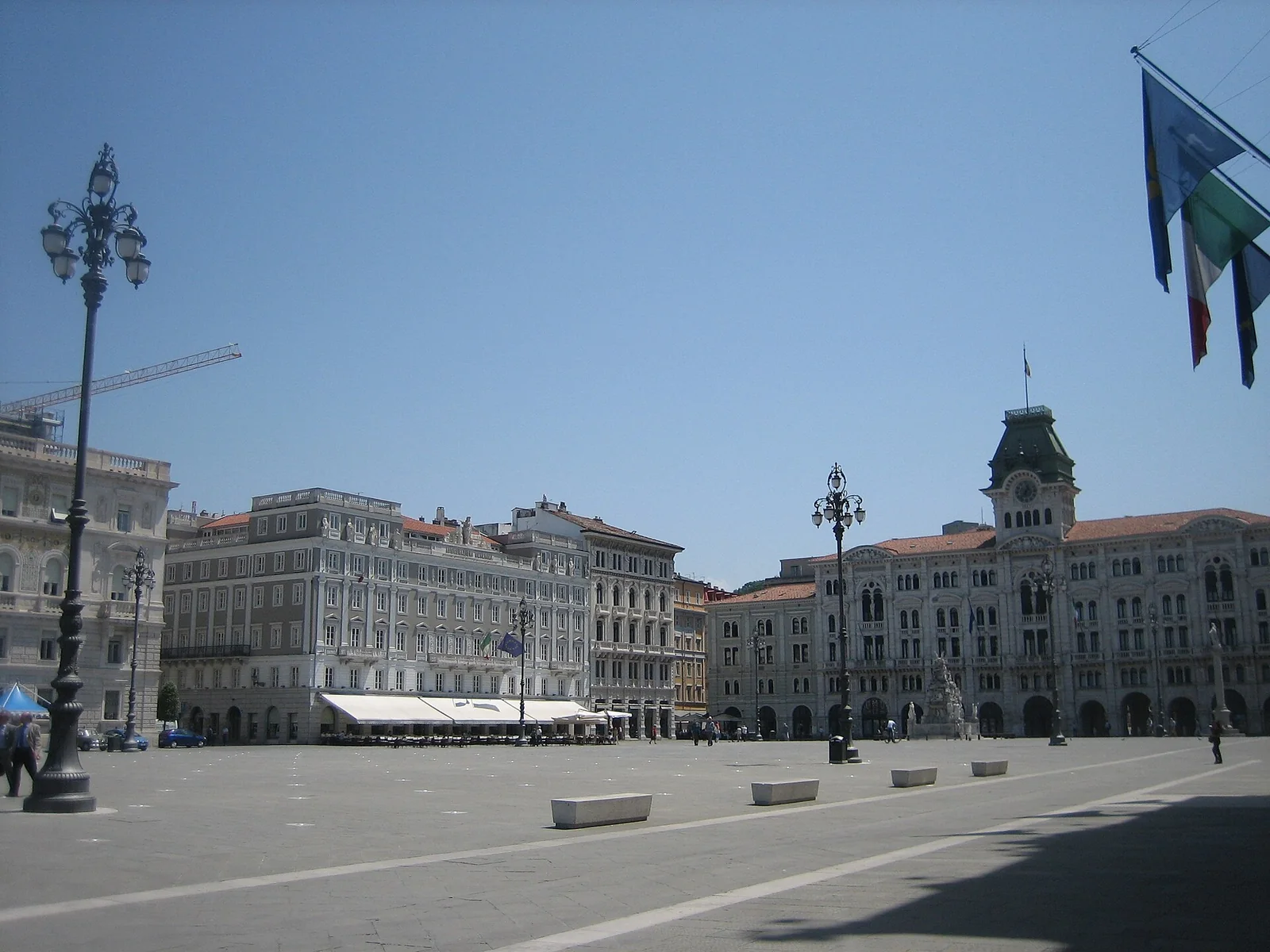
The beans arrived by sea
The development of the port and the status of a free port favored the trade in coffee directed to the markets of the Habsburg Monarchy. Activities that were invisible from the table's perspective developed around import: storage, raw material evaluation, trading and roasting. The cup was the end of a long chain of work.
The history of coffee is not only the history of elegant establishments. It also includes port infrastructure and enterprises. The combination of these two perspectives explains why the drink has become such a strong element of urban identification.
Cafe as a meeting place
A regional description of historic cafés emphasizes their role in conversation, reading and meetings. The interior could be used for a long stay, while a short coffee at the bar creates a different rhythm of enjoying the city. Both practices belong to the drink culture, but they organize time differently.
The preserved interior design of the premises does not mean that all former guests had the same experiences. The importance of a place depended on the period, environment and method of use. The writers' biographies enrich the story, but they should not obscure the ordinary everyday life of local residents and café staff.
Nero and capo in b
In the local dictionary, nero means espresso and capo means coffee with milk, equivalent to macchiato. Capo in b refers to serving in a glass. Regional tourist materials document these terms as part of the Trieste ordering language.
It is worth treating names as a social practice, not as an examination of belonging to a city. The meaning is clarified in a specific conversation with the staff. The method of serving, proportions and local customs may vary. The most interesting thing is that a few short words connect a drink with a place: the language preserves distinctions that have become everyday for locals, while revealing to a visitor a distinct rhythm of coffee culture.
Sources and further reading
- PromoTurismoFVG: Trieste cafes ↗Checked: 2026-11-25
- Discover Trieste: the port and café history of coffee ↗Checked: 2026-11-25
The thematic description does not mean that all places mentioned are on the basic GPX. Check the availability of attractions and services for the date of your visit.