A city shaped by a slope
The Roman Tergeste developed on the slope of San Giusto facing the Adriatic Sea. The urban archaeological study distinguishes the port trade zone, residential buildings and the public centre on the hill. The relief of the terrain helped to separate functions, which were partially obscured by subsequent reconstructions.
The remains of the theatre, forum and residential buildings are not all fragments of today's street level. The former city had its own terraces, roads and coastline. Seeing a monument among modern buildings requires imagining a different environment, without transferring the current city layout to the past.
The port needs facilities
In the Habsburg era, the city's importance increased thanks to the connection of the Adriatic Sea with the Central European hinterland. However, a port is more than just a mooring place. It needs warehouses, land transport, work organization, financing and trade institutions. The expansion of infrastructure gradually shifted the city's weight beyond its former core.
The 19th-century Porto Vecchio was built on a railway connection. Later port investments further changed the geography of work and the flow of goods. The name old port is relative: at the time of its construction, it was a modern solution to specific transport problems.
Borders change the function of a place
In the 20th century, changes in borders and administration changed Trieste's relationship with its surroundings. After World War II, the city remained under Allied administration until 1954. This context explains why urban memory does not tell a simple story about the continuous development of one port.
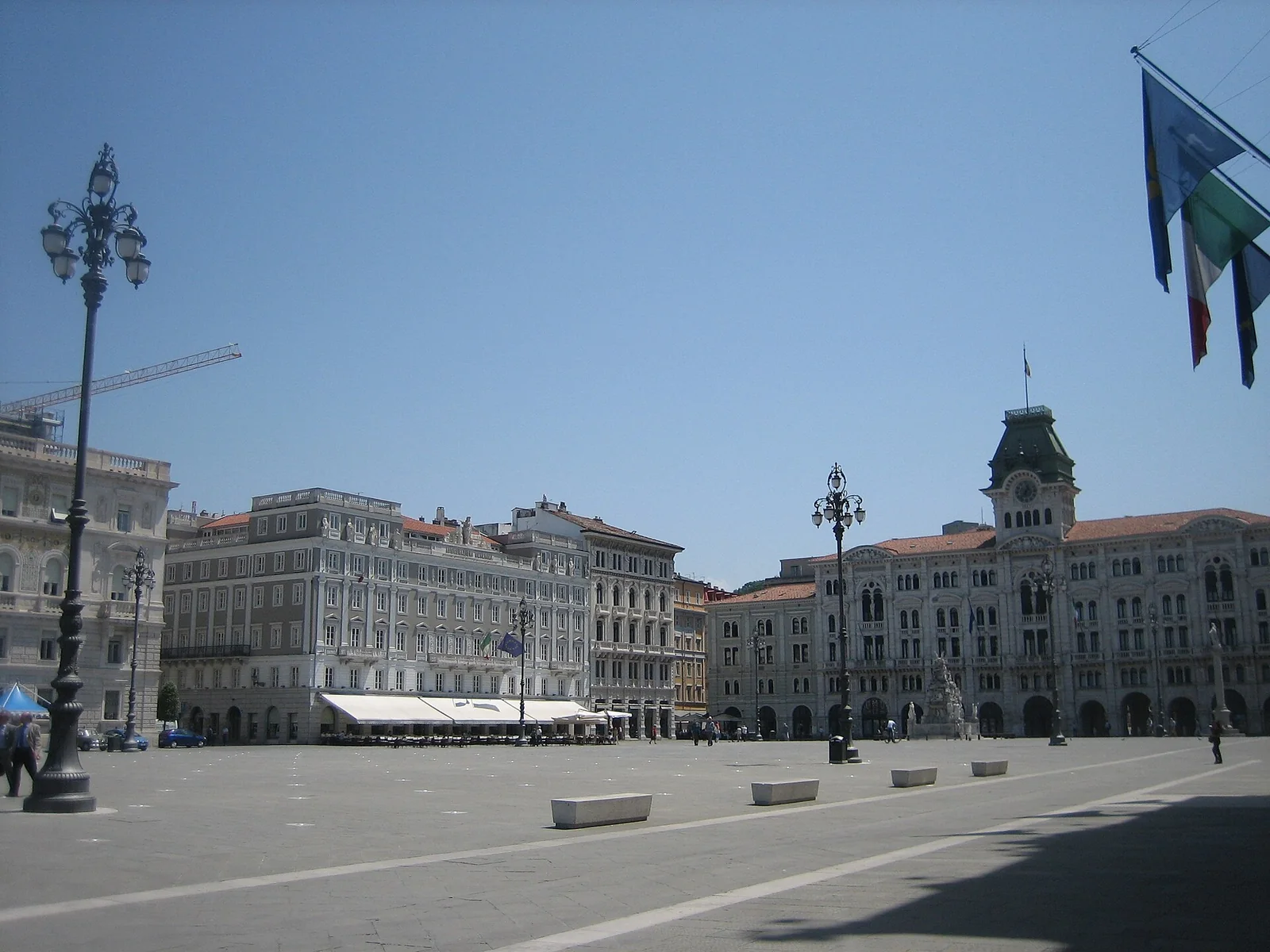
It is worth reading the contemporary landscape in layers: the Roman centre on a hill, the representative spaces of the commercial city and extensive areas of infrastructure. Each layer shows a different relationship between sea and land. The mere sight of an open square by the water does not tell the whole story of the people and institutions that allowed the port to operate.
Sources and further reading
- Comune di Trieste: archaeological itinerary ↗Checked: 2026-11-25
- Regional history institute: Trieste ↗Checked: 2026-11-25
The thematic description does not mean that all places mentioned are on the basic GPX. Check the availability of attractions and services for the date of your visit.