A dinner that comes from a place
After the mountains, cheese dishes and urban stops, Grado offers a different sort of dinner: one connected with fishing and the water. It need not be the most expensive menu or the table closest to the harbour. What matters more is knowing what you are ordering and how the local dish differs from a generic seafood selection.
It's best to leave such a meal for after you put the bikes away. Then you can safely ask about the ingredients, divide the dishes and compare your impressions from the route. Dinner becomes part of the finish, not a short break before the next section.
What is boreto alla graisana?
Grado’s official description presents boreto as fish cooked with oil, garlic, pepper and vinegar, served with white polenta. The sauce is meant to have a strong flavour; do not automatically expect a light, thin broth just because the names of other Italian fish dishes sound similar.
The menu may offer a version made with one species or a selection of fish. Ask what it is being made with that day. This is more useful than looking for a supposedly definitive version, because local sources describe many variations. Portion sizes and presentation can also differ.
A dish related to the economy of the lagoon
The regional history of boreto ties the dish to fishing families living on the islands. The better part of the catch was sold, and the rest was used in home cooking. This is a story about managing resources and everyday work, not about a dish invented for a tourist menu.
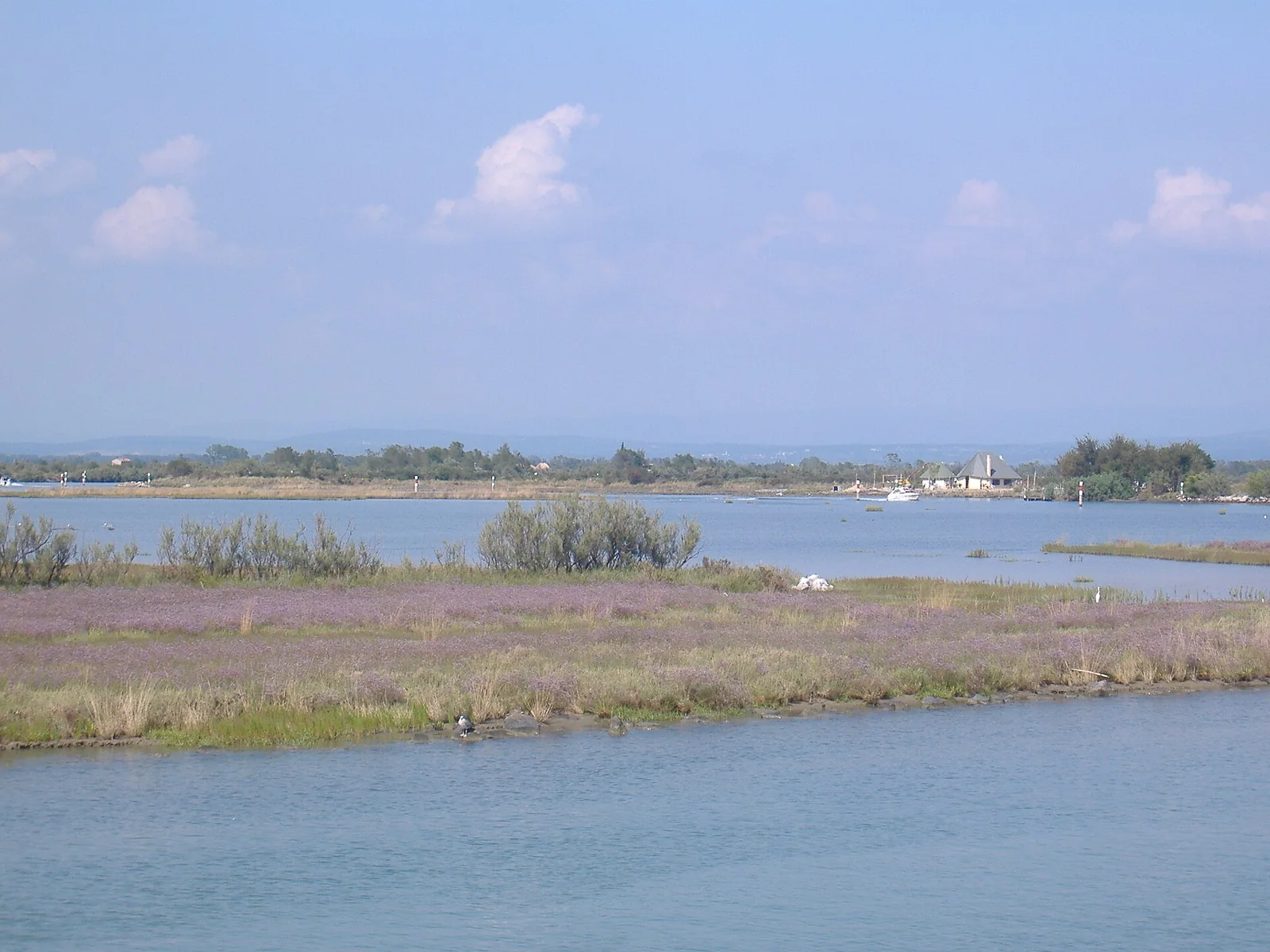
It is worth connecting it with views of the lagoon: small landing places, waterways and scattered places where people live. The fish on the plate then becomes more than an abstract “taste of the sea”. A historical description does not, however, guarantee the origin of every ingredient in any restaurant; ask locally about today’s ingredients and catch.
White polenta has its role in this dish
Polenta made from white maize is the traditional accompaniment to boreto. Try it together with the sauce rather than judging it separately as a neutral part of the plate. The combination of flavour and texture is part of experiencing the dish.
If you want to compare dishes in a group, start with a small number of well-selected orders. Four people can try different versions, but not every portion is meant to be shared. Please discuss this with the staff, especially when the dish is prepared for a certain number of people.
Names you may find on the menu
Grado's official materials also mention canoce, a crustacean known as a centipede, commonly called mantis shrimp, small cuttlefish known as zottoli, and gò, a fish associated with the lagoon. The menu may use local names, so it is worth clarifying the description in Italian or English.
Don't assume that a seasonal dish will be available all year round. When it comes to seafood, the actual composition of a given preparation is important, and in case of dietary restrictions, the method of preparation is also important. A regional name does not replace a conversation with the restaurant about what is on the plate.
20, 60 and 120 minutes for a culinary stop
At twenty minutes, choose a simple meal; a full boreto visit shouldn't be about rushing. An hour may be enough for one dish if the restaurant has the right service rhythm. Two hours after the finish, there is room for dinner with several flavours and a quiet conversation.
It is not worth scheduling a cruise or return transport just after an unconfirmed meal finish time. The most comfortable dinner takes place when all you have to do is walk to your accommodation. This is a tangible benefit of an extra night in Grado.
What is worth remembering apart from the name of the place?
Write down the type of fish, the version of the sauce, the serving and what you liked the most. Such a description will later allow you to compare the memory with regional recipes without claiming that one dinner exhausts the entire lagoon cuisine.
Boreto may be a good ending to the story that began in Salzburg: the landscape changed from mountain rivers to a shallow lagoon, and with it the ways of living and eating changed. The best souvenir from dinner is understanding this relationship and the evening spent together, not the number of dishes ordered.
Sources and currency
- Grado Turismo - boreto a la graisana ↗Checked: 2026-11-24
- PromoTurismoFVG - boreto alla graisana ↗Checked: 2026-11-24
- PromoTurismoFVG - Grado and cuisine guide ↗Checked: 2026-11-24
Organizational tips, selection of stops and scenarios are editorial suggestions. Times and budgets are not an offer or reservation. Check the opening of attractions, announcements and transport conditions for a specific date. Additional trips are not automatically part of the GPX.