First, decide what you still have the strength for
Aquileia is located in the part of the trip associated with the proximity of the sea. It's easy to treat it as the last quick photo or, on the contrary, to try to see the entire archaeological site at once. Both reflexes result from the position at the end of the day. A better choice is to decide on the main goal during an earlier break: a basilica, a walk through the remains of a Roman city, or just explore the place before returning the next day.
In the four-day variant, you have covered a significant part of the approximately 114-kilometre final. The five-day stage from Buja is shorter, about 87 km, but Udine and Palmanova tempt us along the way. By adding an hour in each of these cities, you will quickly use up your reserve time. It is worth leaving a consciously selected window for Aquileia, not random remnants of the day.
Two stories in one landscape
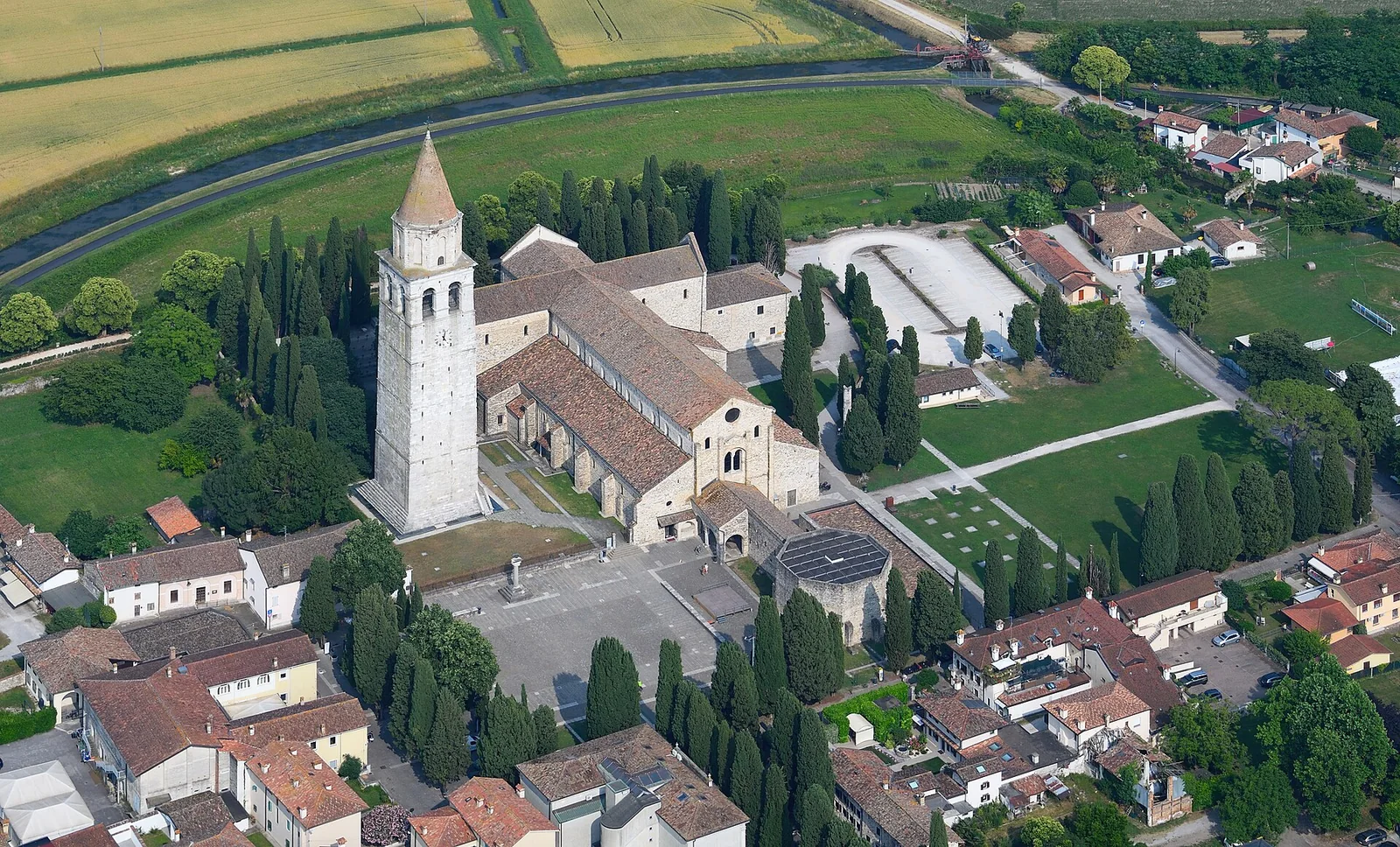
Aquileia was an important Roman city and then a centre of Christianity. The archaeological area and the basilica complex have been on the UNESCO World Heritage List since 1998. In today's peaceful landscape, one must imagine a much larger urban organism: places of trade, houses, streets and a port, and later a growing religious complex.
A good viewing method is to separate these two layers into questions. In the Roman part: where did goods arrive and how did the inhabitants organize their daily life? At the basilica: how did subsequent eras rebuild the place of worship? You don't have to remember all the dates or the names of the rulers. The two selected threads will help connect the scattered ruins into a story that just moving from board to board cannot provide.
Basilica: also look at today's architecture
The present-day shape of the basilica is largely associated with the work of Patriarch Poppo in the 11th century, but the origins of the complex date back to the 4th century. Mosaics on the level of the earlier church remind us that the current interior was not created at one time. The exposed floor depicts, among other things, an extensive story about Jonah. This is a good single theme with which to start a leisurely viewing experience.
Don't try to look at the entire floor with just the camera. First, find a comfortable vantage point and identify the larger layout, then choose a few details. Those interested in art history may need much more time here than the rest of the group. If you want to split the pace of the tour, agree on a common departure time and meeting place, instead of rushing each person to the next fragment.
20, 60 or 120 minutes: programme without racing
The layout below is not a promise of checkout times or interior availability. First, check the entrances and rules for the day of your visit. Basilicas and museums may have separate hours, tickets or event restrictions. A large joint ticket does not mean that you will be able to use all the seats included in it during the bicycle ride.
Table scrolls horizontally →
| Time | The most sensible choice | Condition |
|---|---|---|
| 20 minutes | The square and external view of the basilica complex, writing down the return plan. | No promise of entry. |
| 60 minutes | One interior: primarily the basilica and mosaics, if the entrance is accessible. | Eating break is counted separately. |
| 120 minutes | The basilica and one other destination: the port or a selected archaeological site. | Enough time left to reach Grado and check in. |
Roman port: the city was connected to the water differently than today
The remains of the port above the former river bed show quays, ramps and connections with city streets. Fondazione Aquileia describes a former waterway with a width of up to about 50 meters. Today you walk here in a completely different landscape; it is this difference that helps understand the scale of change. Don't look for the equivalent of a modern marina, but for transhipment and transport infrastructure.
During a short visit, try to read the movement: where the boat could have been, where the goods were moved, how they reached the buildings. This exercise complements viewing the mosaics well because it shows the economic background of the city. Treat the area like an archaeological site; The possibility of exploring on foot does not mean that cycling is allowed. Leave your bicycles and luggage at a permitted point of your choice.
What to spend an extra day on?
A more complete visit might include the National Archaeological Museum, the Early Christian Museum, the forum, or houses uncovered by archaeologists. The Foundation indicates, among others, the Domus Tito Macro and the bishop's palace complex. These are separate places, not subsequent rooms of one building. Map them out before purchasing a package of entries and choose those that suit your interests.
An extra day after the finish in Grado allows you to return without the pressure of an evening check-in. Choose transport separately: riding a bike again increases the total distance of the trip, and transport requires an up-to-date timetable. This return is an additional trip beyond the basic GPX. If only part of the group wants to return, the end of the main route by the sea provides a natural moment to split the programme.
Luggage and tickets: organization before approaching the entrance
The most time is wasted when four people arrive at the door without making a joint decision about bikes. Decide in advance whether you are all sightseeing or someone chooses to rest outside. Don't base your plan on unconfirmed luggage storage or permission to bring large bags. Check information about the facility and current entry rules with its operator, and secure the equipment according to actual capabilities.
When you are tired, it is easy to buy a ticket that is too wide because it covers many interesting places. Compare the scope with your own plan: one object today or several on a separate day. Check the current range of tickets and prices with the operators before your visit.
The final section to Grado is still part of the stage
Before leaving Aquileia, eat something if it has been a long time since your last break, and check the remaining lamp energy. The proximity of the target can be organizationally treacherous: the group begins to divide into people rushing to the sea and people stopping at every sight. Set a common finishing point and accommodation address, because it is not always the same place.
If you have chosen a long tour, inform the accommodation facility about your actual time of arrival. Don't waste time travelling through the lagoon. Aquileia should remain one of the final's strong memories, not the beginning of a tense ending. The preserved margin allows you to calmly see the change of landscape, reach Grado and end the trip together.
Sources and currency
- PromoTurismoFVG - Aquileia ↗Checked: 2026-11-24
- Fondazione Aquileia - Basilica ↗Checked: 2026-11-24
- Fondazione Aquileia - River Port ↗Checked: 2026-11-24
- Fondazione Aquileia - Visit Aquileia ↗Checked: 2026-11-24
Organizational tips, selection of stops and scenarios are editorial suggestions. Times and budgets are not an offer or reservation. Check the opening of attractions, announcements and transport conditions for a specific date. Additional trips are not automatically part of the GPX.