Two surfaces, different rhythm
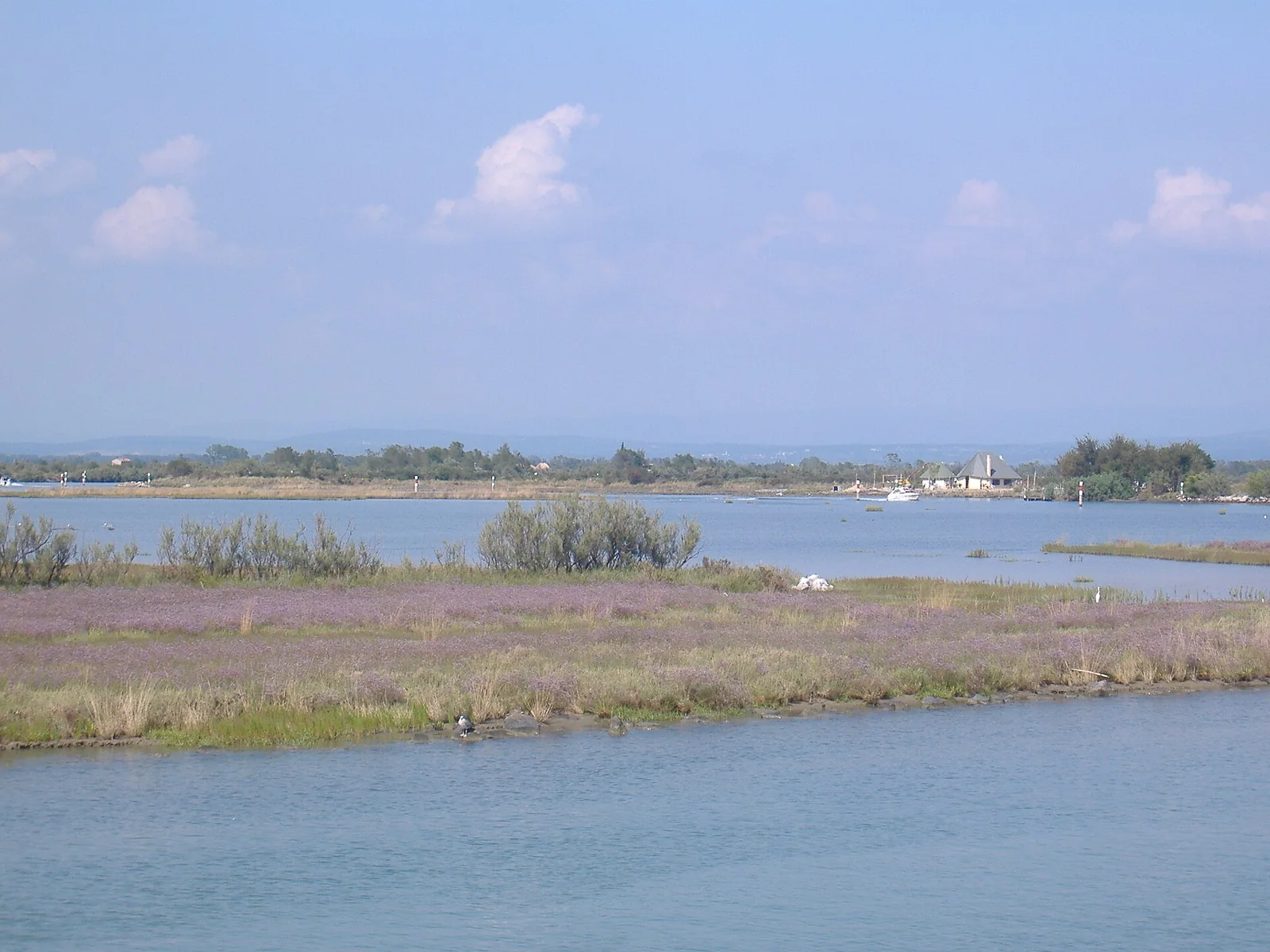
Barene are low saltmarsh surfaces, usually above water, with vegetation that tolerates lagoon conditions. Velme are mudflats exposed at low water. ARPA also distinguishes these from permanently flooded channels and deeper parts of the lagoon.
This distinction concerns position relative to the changing water surface, not three entirely independent landscapes. The boundaries between neighbouring environments may be very close together. A small difference in elevation nevertheless means a different duration of flooding and different conditions for plant life.
The tide opens and closes habitats
When the water recedes, the exposed bottom becomes accessible to feeding birds. When it returns, access to food and the way organisms move change. This is regular environmental variability, not a breakdown of the natural order.
A photograph of the lagoon records a particular phase. When comparing two images, it helps to know the time and water level. A larger area of exposed mud may result from an ebb tide rather than a permanent loss of water. Only a longer series of observations allows the tidal rhythm to be distinguished from changes in landforms.
Height requires a reference point
A regional network of tide gauges measures water levels and the propagation of the tide through the lagoon. Different locations need not reach high water at the same time. Channels and connections to the sea influence this process.
The description “low island” is therefore too broad to explain the function of a barena. Its elevation relative to the water level, the frequency of flooding and its vegetation all matter. In a lagoon, topography is important even when differences are hard to see from a distance. This subtle relief shapes much of the landscape’s variety between Marano and Grado.
Sources and further reading
- ARPA FVG: sea and lagoon zones ↗Checked: 2026-11-25
- Regione FVG: water level monitoring network ↗Checked: 2026-11-25
The thematic description does not mean that all places mentioned are on the basic GPX. Check the availability of attractions and services for the date of your visit.